
Shaping Tomorrow’s Europe Through Sport

While sport and the European Union may appear from separate spheres, they are more closely connected than one might expect. Cooperating with civil society organizations, local clubs, and international sports bodies, EU institutions use sport to engage citizens, building community and responding to social challenges. This article explores how EU institutions actively support and funds initiatives using sport to strengthen European values.  

One of the key frameworks guiding the EU´s involvement in sport is the EU Work Plan for Sport (2024-2027), adopted by the Council of the European Union. It addresses sport´s contribution to health, inclusion, sustainability, and European values. The plan focuses on three key priority areas: promoting integrity and values in sport, boosting its social and economic impact, and increasing participation in physical activity. The plan also highlights the teamwork between EU institutions, Member States, grassroots organizations, and international partners.

As part of its commitment to promoting public health through sport, the European Commission spearheads events, initiatives and awards to promote sport and physical activity across Europe, like the #BeActive awards, the European Week of Sport, the EU Sport Forum, the SHARE 2.0 initiative and the Erasmus + program.   

The annual European Week of Sport will take place this year from 23 to 30 September. This year’s priorities are encouraging healthier digital habits, the celebration of one decade of the initiative, and of course, inspire everyone to be more active. National agencies, local communities, and sports organizations, like the European Olympic Committees (EOC), the Union of European Football Associations (UEFA) and the World Anti-Doping Agency (WADA), collaborate with the European Week of Sport, advocating for the physical and mental benefits of leading a healthy lifestyle.

We also have the #BeActive EU Sport Awards, which highlight inspiring contributions that align with the EU´s goals. The aim of these awards is to celebrate individuals and organization that use sport to advance social cohesion, equity, and well-being. The awards are divided in five categories, each one reflecting a core value of EU sport policy: promoting physical activity, advancing social inclusion, recognizing volunteer contributions, encouraging intergenerational engagement, and using sport as a tool for peace and dialogue.

The European Commission also organized the EU Sport Forum which took place this year on 10 and 11 April in Krakow, Poland, in which the European Commission and sport stakeholders discussed the future of sport in the EU, focusing on topics such as anti-doping, corruption, discrimination and mobility.

Moreover, Erasmus+ is a programme that supports education, training, and youth development across Europe, funding mobility opportunities for young people and concentrates on supporting education, training and youth across Europe.

Finally, the SHARE 2.0 initiative is designed to promote cooperation and knowledge exchange in areas such as funding access, health, innovation, and sustainability in sport. It operates by including public authorities, sport organizations, and policy experts, encouraging active involvement and shared learning across all levels of sport development.

One important value of the European Union is gender equality. The European Commission´s High-Level Group on Gender Equality in Sport, addresses a set of recommendations to promote gender balance within the sport sector. This action plan targets EU institutions, Member States, and sports organizations, focusing in six key areas: participation, coaching and officiating, leadership, socio-economic aspects, media representation, and gender-based violence. The High-Level Group on Gender Equality in Sport, is designed as a toolkit which support actions and policy development at all levels to advance gender equality in sport across Europe. 

Lastly, the EU plays an important role in tackling anti-doping issues, for example, through its cooperation with international bodies such as the World Anti-Doping Agency (WADA). The European Commission and Member States collaborate to ensure that regulations related to the World Anti-Doping Code align with EU law. This reflects the EU´s commitment to developing an anti-doping framework that safeguards athletes ‘rights and therefore ensuring fairness and integrity in sport.  

As this article has shown, sport is much more than a source of entertainment or a way to stay fit. From promoting public health to fostering inclusion, sport has become a strategic and powerful tool for shaping a more connected and resilient Europe.  

Ilona Zsámboki
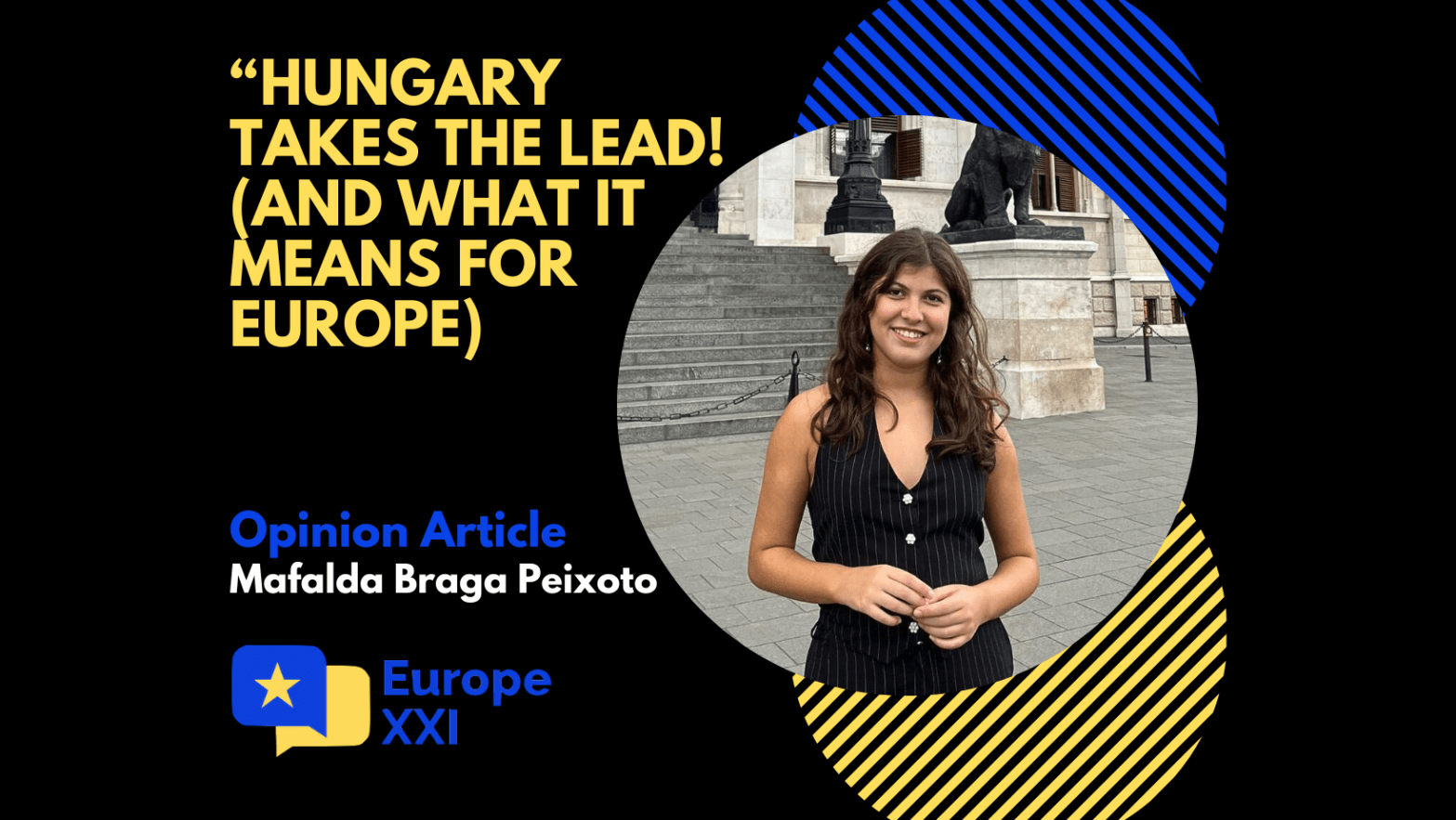
Hungary takes the lead! (and what it means for Europe)

As of July 1st, Hungary assumed the rotating presidency of the Council of the European Union, a term that will run until December 31st. The presidency rotates every six months among EU member states, organized in groups of three, or “trios.” These trios establish long-term objectives and prepare a common agenda that will guide the Council’s priorities and key issues over an 18-month period.

However, this transition was not as smooth as expected. Belgium’s departure was marked by a pointed remark from Prime Minister Alexander De Croo to Hungary’s leader, Viktor Orbán: “The presidency does not mean you are the boss of Europe.”

Even before Hungary assumed the presidency, it faced controversy. Some questioned whether the country should take on this role due to concerns raised under Article 7 of the EU Treaty, which allows the Union to act when a member state is deemed to be violating core EU values. In addition, Viktor Orbán’s decision to travel to Ukraine, Russia, and China, prominently displaying EU flags and using the Hungarian presidency logo, was met with backlash. Some of these countries even reported that Orbán’s trips were framed as being on behalf of the EU—a move that infuriated several European leaders.

This rocky start is not the only unusual aspect of Hungary’s presidency. Ironically, one of the key issues the Council will address during this period is the launch of a new case against the Hungarian government. Facing potential losses of billions of forints in EU funding, Hungary will need to cooperate with the Council’s assessment of its compliance with the Rule of Law requirements. Additionally, Hungary — alongside other EU governments — has come under fire for excessive spending and could face penalties from the Council.

The paradox doesn’t end there. Hungary might also take legal action against the very institution it is currently presiding over.

Despite these contradictions, Hungary appears determined to act, in its own words, as an “honest broker, in the spirit of sincere cooperation between member states and institutions, for the peace, security and prosperity of a truly strong Europe,” according to János Bóka, Hungary’s Minister for EU Affairs.

In its programme, Hungary has outlined its main priorities: addressing the war in Europe’s neighborhood, the EU’s declining global competitiveness, security vulnerabilities, illegal migration, natural disasters, climate change, and demographic challenges. These issues are, of course, EU-wide concerns but also align with Hungary’s national interests.

While the Fidesz-led government has often been criticized for pushing through constitutional and legal changes to its own advantage, it’s unlikely that its presidency will bring about significant policy shifts. The six-month term is brief, and most EU regulations or directives take between one year and 18 months to be fully developed. Furthermore, the Hungarian presidency will be cut even shorter due to the August summer break, December holidays, and the institutional changes that follow the European Parliamentary elections.

Ultimately, we will have to wait and see whether Hungary’s actions during its presidency will demonstrate a genuine commitment to the Union’s path and values.

Fortunately, I am right at the heart of the action and will continue to follow developments closely.

Mafalda Braga Peixoto

Perspectives in Transatlantic Cooperation: Area of Defence

Transatlantic defense cooperation has been marked by a shared commitment to international security in order to strengthen and ensure global stability. NATO, since its founding, has served as the primary organization for coordinating defense policies between the United States, Canada, and Europe. The alliance has evolved to face contemporary threats such as terrorism, cybersecurity, and the military assertiveness of emerging powers such as China and Russia.

The 2024 European elections were a crucial event for the future of the European Union and, by extension, for transatlantic defence cooperation. The rise of radical right-wing parties in several EU member states raises significant concerns. These parties, often skeptical of NATO and the EU, advocate more nationalist and sometimes isolationist policies. With greater representation in the European Parliament or national governments, it is possible that the EU’s internal cohesion will be undermined, making it difficult to formulate common defense policies and work with NATO. For example, leaders such as Marine Le Pen and Matteo Salvini, who have expressed some skepticism about NATO, emphasizing the need for greater national sovereignty at the expense of multilateral commitments.

A fragmented EU with internal disagreements could weaken its position as a reliable defense partner for the US. The EU’s ability to contribute to joint missions, as well as to the financing of collective defense projects, could be significantly reduced.

In the U.S., the 2024 presidential election will have a profound impact on the country’s foreign and defense policy. There is currently a strong commitment to NATO in order to strengthen the military presence in Europe and support efforts to counter Russian influence. However, the possible election of Donald Trump, with a more unilateral approach and less committed to traditional alliances, could transform this dynamic.

During his first term, Trump repeatedly criticized NATO allies for failing to meet their financial obligations and even suggested that the U.S. might reconsider its commitment to the alliance if the allies did not increase their defense spending (or contribute at least 2% of GDP). In 2018, Trump declared that NATO is great, but it helps Europe much more than it helps us, that the EU was created to take advantage of the US, and he made harsh criticisms of the allies’ investment in NATO (particularly, Germany).

Trump’s possible re-election could thus lead to a more unilateral approach and less committed to traditional alliances, transforming the transatlantic dynamic. A lesser U.S. commitment to the alliance could lead to reduced military and financial support, forcing European allies to take greater responsibility for their own defense. This shift could be particularly challenging for NATO’s European members, which have historically depended on U.S. military power.

The combination of the European and U.S. elections presents both challenges and opportunities for transatlantic defense cooperation. On the one hand, the rise of the radical right in Europe and a possible change in U.S. policy could weaken the alliance by reducing the ability to jointly respond to global threats. On the other hand, these changes can also encourage European states to strengthen their internal cooperation and increase their investments in defence, becoming more self-sufficient and resilient partners.

Jens Stoltenberg, NATO’s Secretary General, said that while Trump has made threats to allies if they do not meet the 2% of GDP, NATO is as important to Europe as it is to the US. The U.S. has 31 allies, something Russia and China don’t have, and besides, “the country [the U.S.] has never fought a war alone.”

These dynamics can stimulate a renewed debate about the future of NATO and the need to adapt the alliance to meet the threats of the 21st century. Implementing policies that promote solidarity, resilience, and innovation in defense can strengthen transatlantic cooperation, regardless of political changes in the U.S. and Europe.

It is a very delicate time for the EU due to the war in Ukraine and the consequent Russian threat, as well as all the current geopolitical situations and it is urgent to strengthen European security and defense, as well as to strengthen the alliance with NATO. Transatlantic defense cooperation is facing a period of uncertainty due to political changes on both sides of the Atlantic. The future of transatlantic defense will depend on the ability of leaders on both continents to recognize and respond to these dynamics with wisdom and strategic vision.

References:

Davis, J. H. (2018). Trump Warns NATO Allies to Spend More on Defense, or Else. The New York Times. Available here: https://www.nytimes.com/2018/07/02/world/europe/trump-nato.html

Psara, M. & Jones, M. G. (2024). Stoltenberg ‘confident’ US will remain a committed NATO ally after presidential election. EuroNews. Available here: https://pt.euronews.com/my-europe/2024/03/11/stoltenberg-confiante-de-que-os-eua-vao-manter-se-empenhados-na-nato

Power to the people: The European Citizens’ Initiative

The European Citizens’ Initiative (ECI) stands as a beacon of participatory democracy within the European Union. Enshrined in the Lisbon Treaty, this mechanism empowers citizens to directly engage with EU institutions, influencing policy-making and fostering a sense of ownership in the European project. Its significance lies not only in its democratic ideals but also in its ability to bridge the gap between citizens and policymakers.

Firstly, the ECI serves as a powerful tool for citizens to voice their concerns and advocate for change on issues of European relevance. Take, for instance, the “Right2Water” initiative launched in 2013, which called for universal access to clean drinking water. Backed by over 1.8 million signatures across multiple EU member states, it compelled the European Commission to acknowledge access to water as a fundamental right, leading to legislative proposals aimed at improving water quality and accessibility across Europe. This example illustrates how this initiatives can catalyze meaningful policy action on issues that resonate with citizens continent-wide.

ECI also fosters a sense of European identity and solidarity by enabling citizens to rally around shared causes transcending national boundaries. The “End the Cage Age” initiative, launched in 2018, sought to ban the use of cages in animal farming throughout the EU and it was supported by over 1.4 million signatures, underscoring the collective desire for more humane treatment of animals across Europe. By mobilizing citizens from diverse backgrounds under a common objective, ECI reinforces the notion of European unity grounded in shared values and aspirations.

Furthermore, the ECI promotes transparency and accountability within EU institutions by subjecting citizens’ initiatives to a formal review process. While not legally binding, successful ECIs trigger a response from the European Commission, which must justify its stance and propose follow-up actions. This feedback loop ensures that citizens’ voices are heard and considered in the decision-making process, enhancing the legitimacy and responsiveness of EU governance. Even unsuccessful initiatives contribute to public discourse by shedding light on overlooked issues and holding policymakers to account for their decisions.

However, despite its transformative potential, the ECI faces several challenges that hinder its effectiveness. The complex procedures involved in launching and promoting an initiative, coupled with the requirement to gather signatures from at least seven EU member states, pose significant barriers to citizen participation. Additionally, the lack of awareness and understanding of the ECI among European citizens limits its reach and impact. Addressing these challenges necessitates greater efforts to streamline the ECI process, raise awareness through education and outreach campaigns, and provide support and resources to grassroots movements.

In conclusion, the European Citizens’ Initiative represents a cornerstone of democratic governance in the EU, empowering citizens to shape the future of Europe through direct engagement with decision-makers. Its significance extends beyond mere symbolism, as evidenced by the tangible outcomes achieved through successful initiatives. By amplifying citizens’ voices, fostering European solidarity, and enhancing transparency and accountability, the ECI embodies the democratic ideals upon which the EU was founded. As we navigate the complexities of a rapidly changing world, the ECI remains a vital instrument for advancing democratic values and strengthening the bond between citizens and their union.

Europe Day 2024 and Europe XXI 3rd Anniversary

Happy Europe Day!

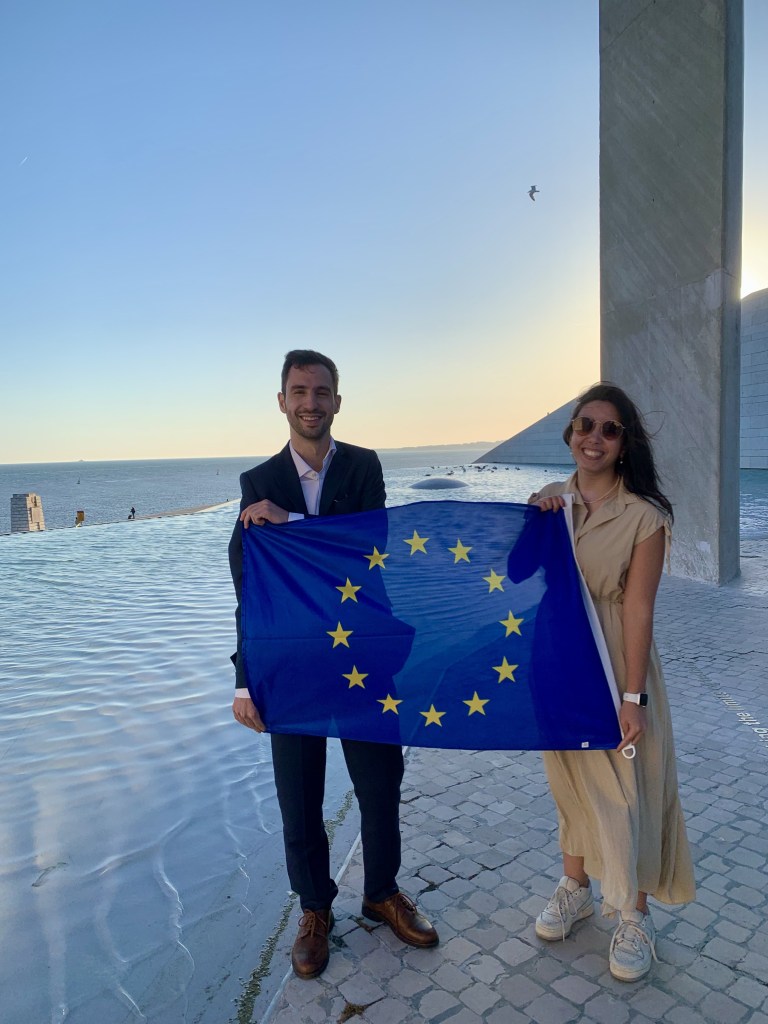
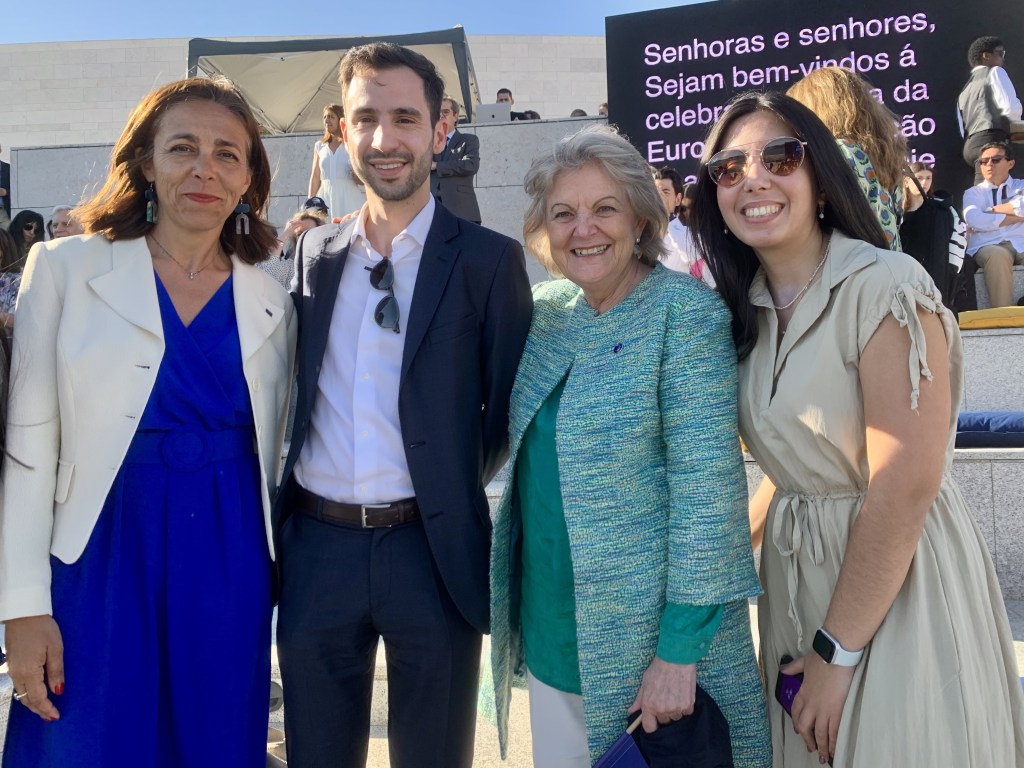
Today, we celebrate the EU Day and Europe XXI’s 3rd anniversary! We joined the official commemorations organized by the Parlamento Europeu – Gabinete em Portugal and the Representação da Comissão Europeia em Portugal at Champalimaud Foundation / Fundação Champalimaud in Lisbon.

Let’s continue working towards a more united, prosperous and peaceful Europe.

Recap: “Cup with Europe XXI” Event

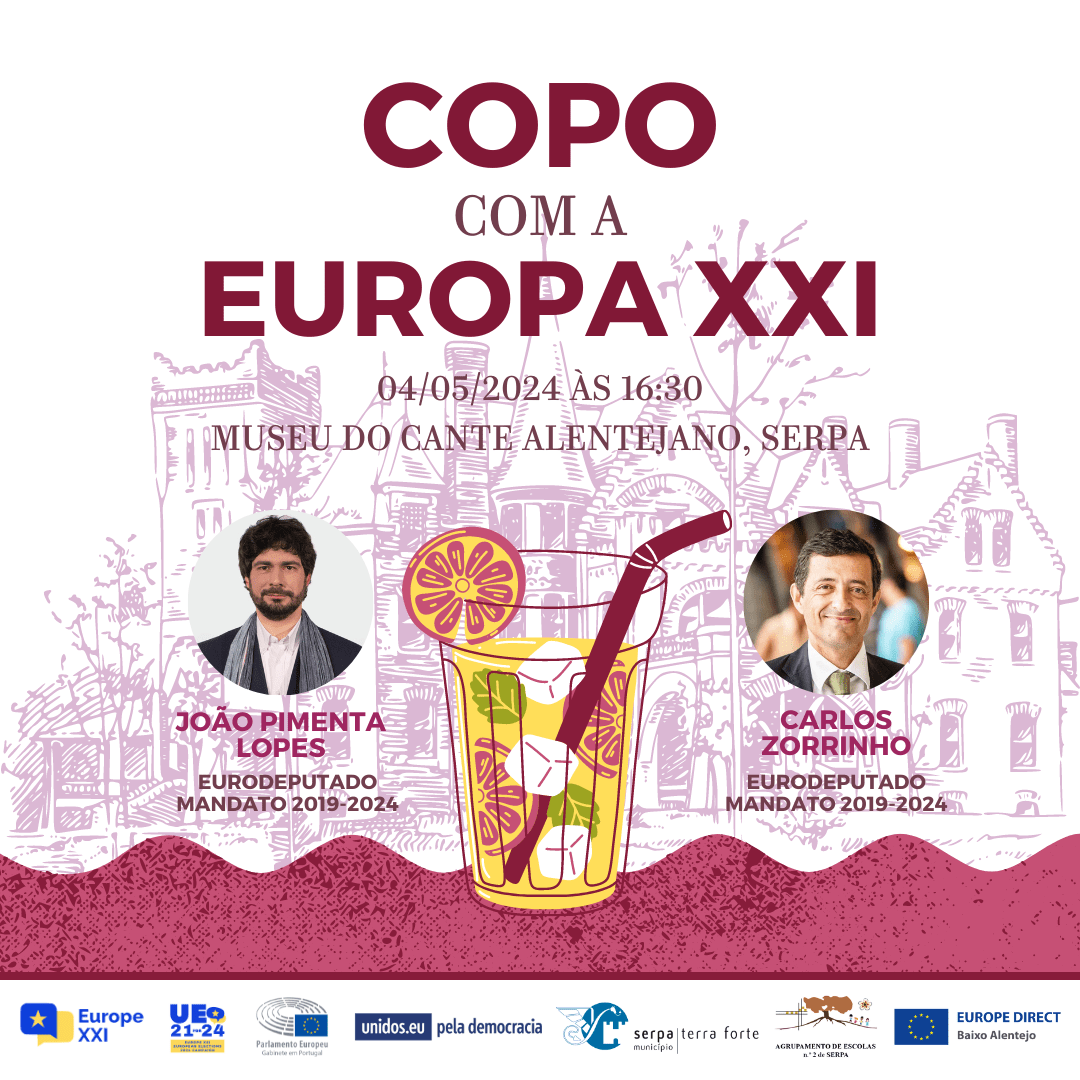
On May 4th, 2024, we gathered at the Museum of Cante Alentejano in #Serpa for the “Cup with Europe XXI” event. Special thanks to MEPs Sandra Pereira and Carlos Zorrinho for their presence!

Thanks to EUROPE DIRECT Baixo Alentejo for their support and collaboration, Serpa Terra Forte, Agrupamento de Escolas nº 2 de Serpa, Parlamento Europeu – Gabinete em Portugal .

Ahead of the June 9th European Elections, we discussed crucial topics for Europe’s future, from the workings of EU parliamentary groups to its impact on Portugal’s interior. It was a valuable opportunity to debate our future, striving for a Europe of Democracy and Freedom.

We’ll continue advocating for youth participation and representation at the European level, facing the challenges of the next term with determination and hope. Together, we can build a better future for all!

Copo com a Europa XXI in Serpa

[EN] On May 04, 2024, at 4:30 PM, at Museu do Cante Alentejano in Serpa, we will host the event “Copo com a Europa XXI.” We look forward to meet you there! We highlight the distinguished presence of João Pimenta Lopes e Carlos Zorrinho, Members of the European Parliament. An exclusive opportunity for valuable insights and networking. Don’t miss this enriching gathering!

[PT] No dia 04/05/2024, às 16h30, no Museu do Cante Alentejano em Serpa, realizaremos o evento “Copo com a Europa XXI”. Ficamos à vossa espera! Destacamos as ilustres presenças dos eurodeputados João Pimenta Lopes e Carlos Zorrinho. Uma oportunidade única para insights valiosos e networking. Não perca este encontro enriquecedor!

Debate: Education, Freedom and Europe

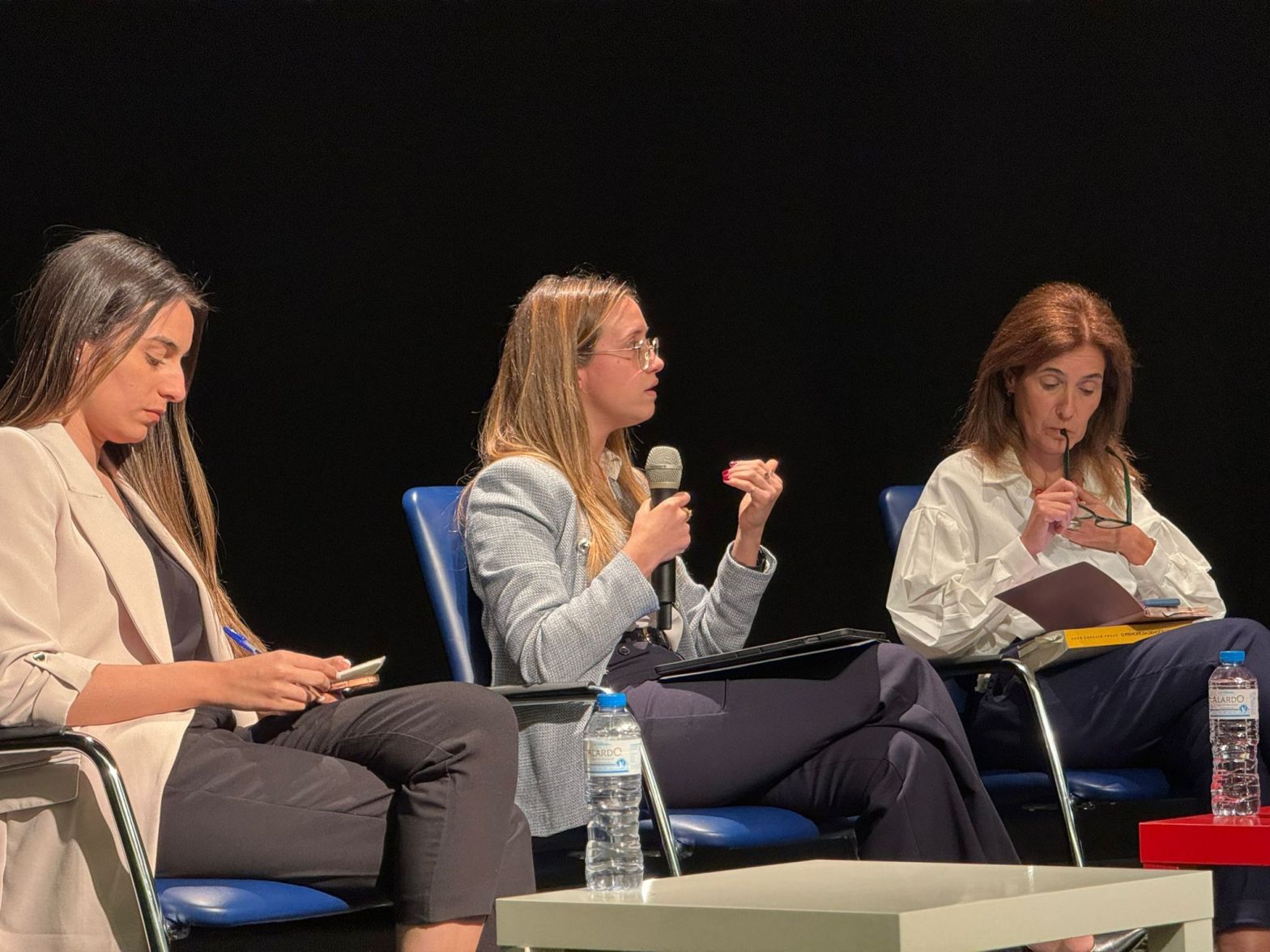
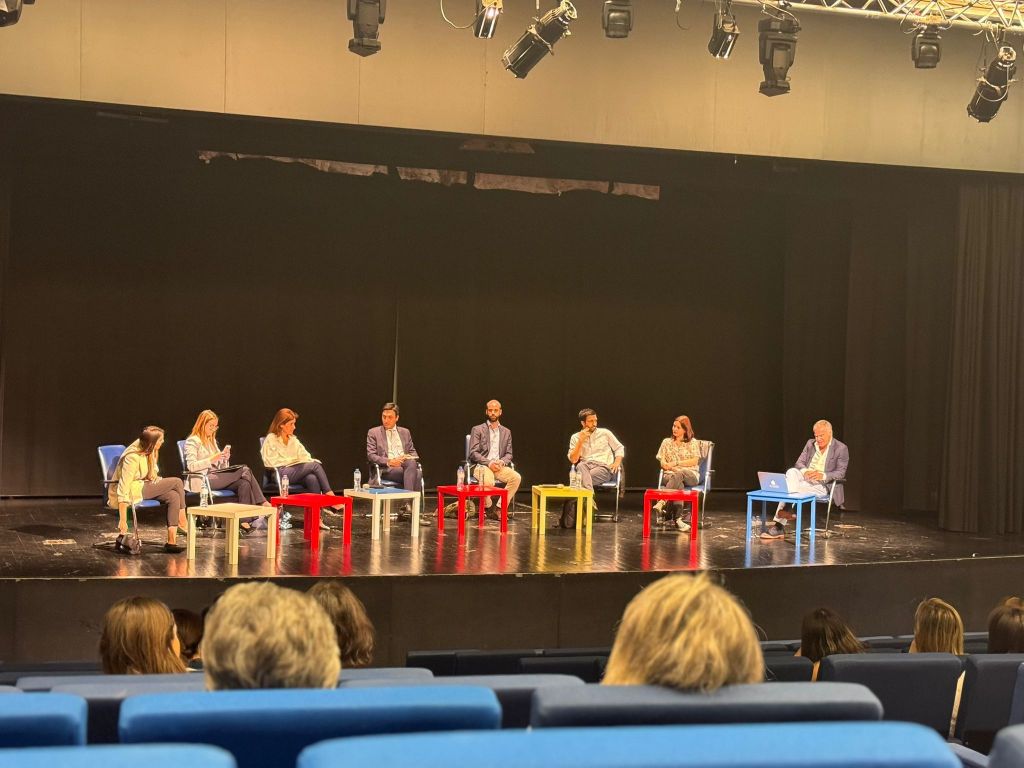
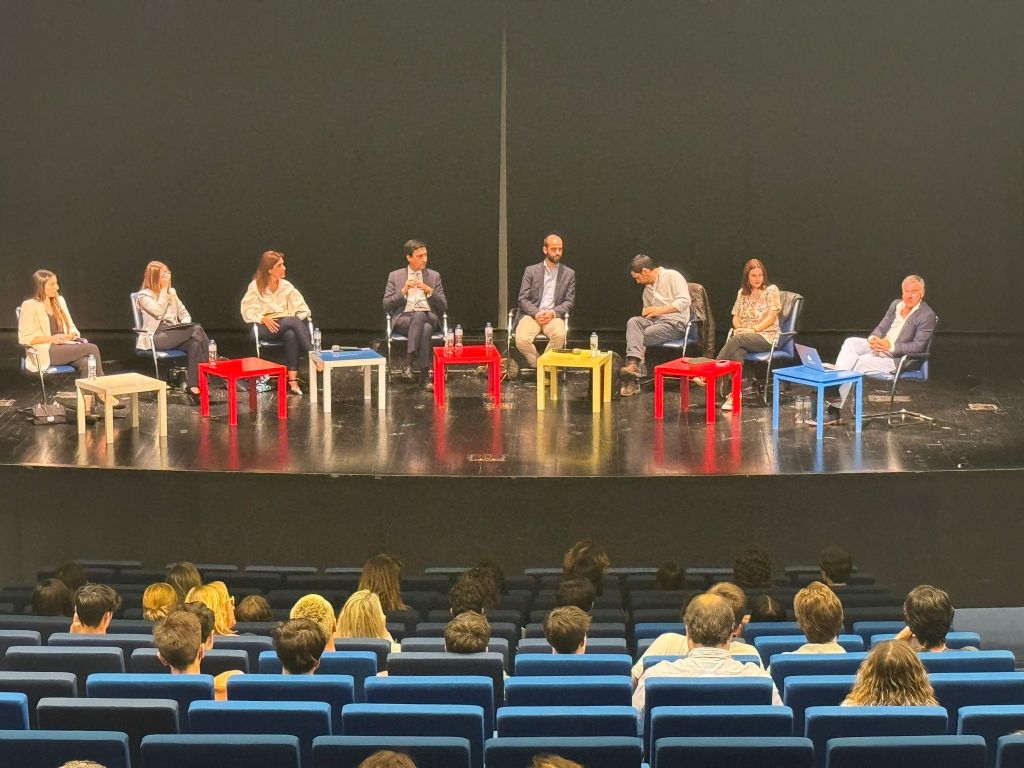
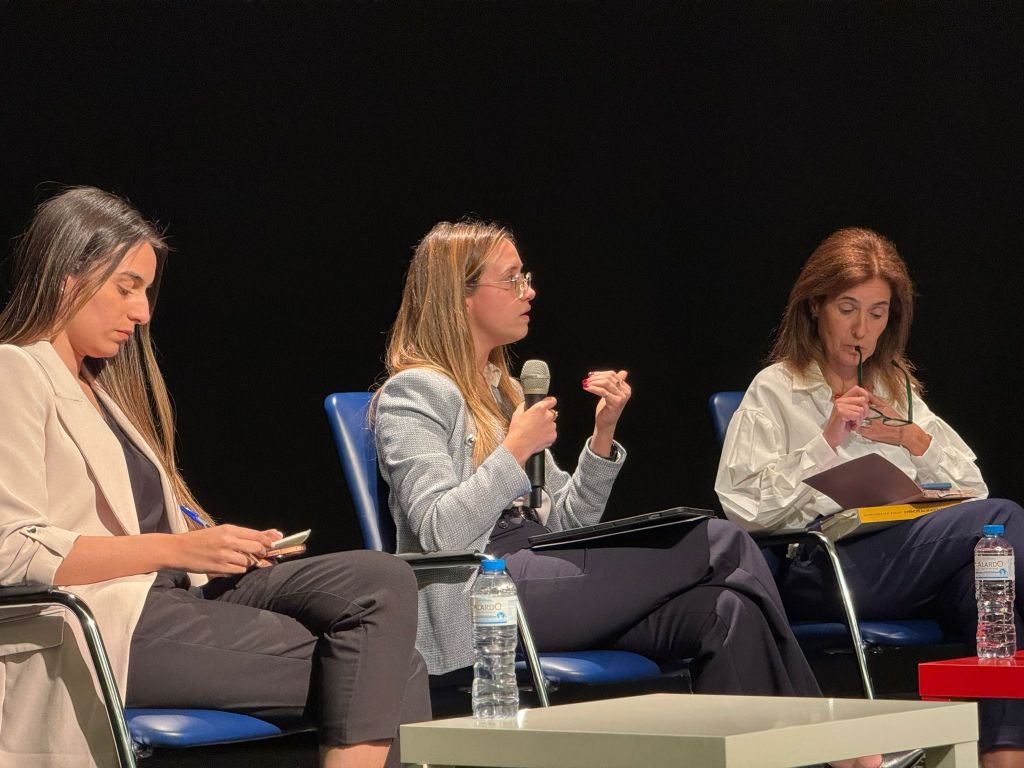
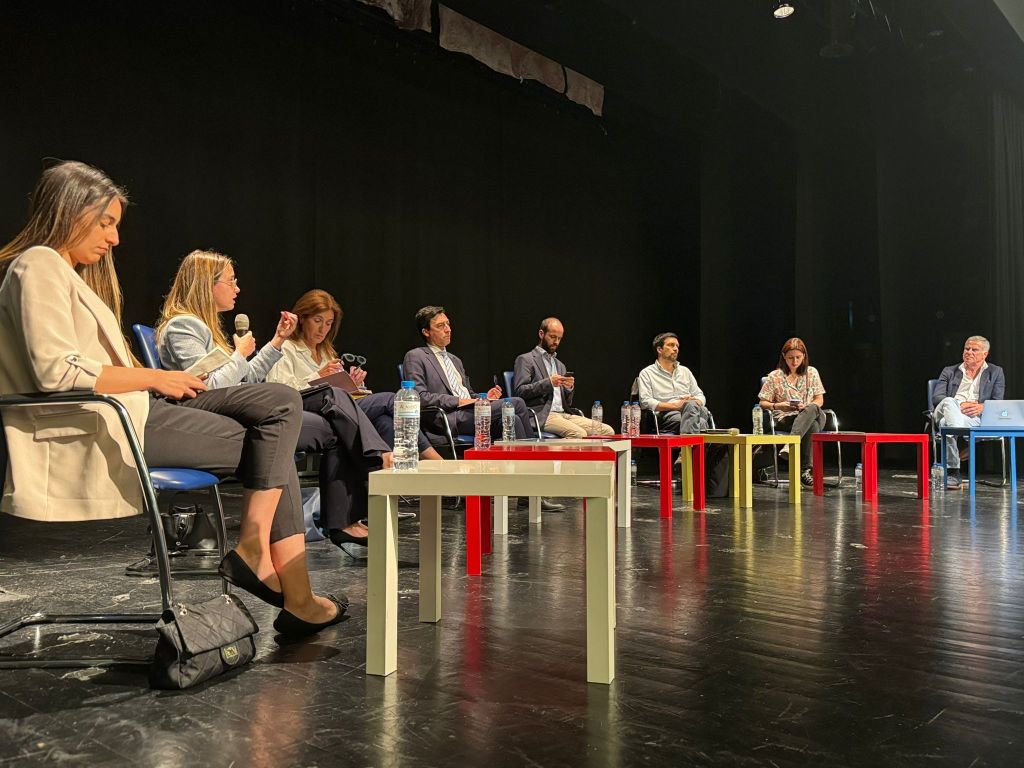
Clara Alves, Europe XXI’s Member and President of General Assembly, participated to a thought-provoking debate on “Education, Freedom, and Europe – Dialogues in Times of Turmoil” at Colégio Pedro Arrupe, Lisbon, on April 23rd.

The discourse encompassed a range of vital themes, including the intricate dynamics of European elections, the fundamental role of schools as bastions of liberty, and the vital importance of youth engagement in shaping political and public discourse. Moreover, we delved into the European Union’s efforts to cultivate a meaningful relationship with its citizens.

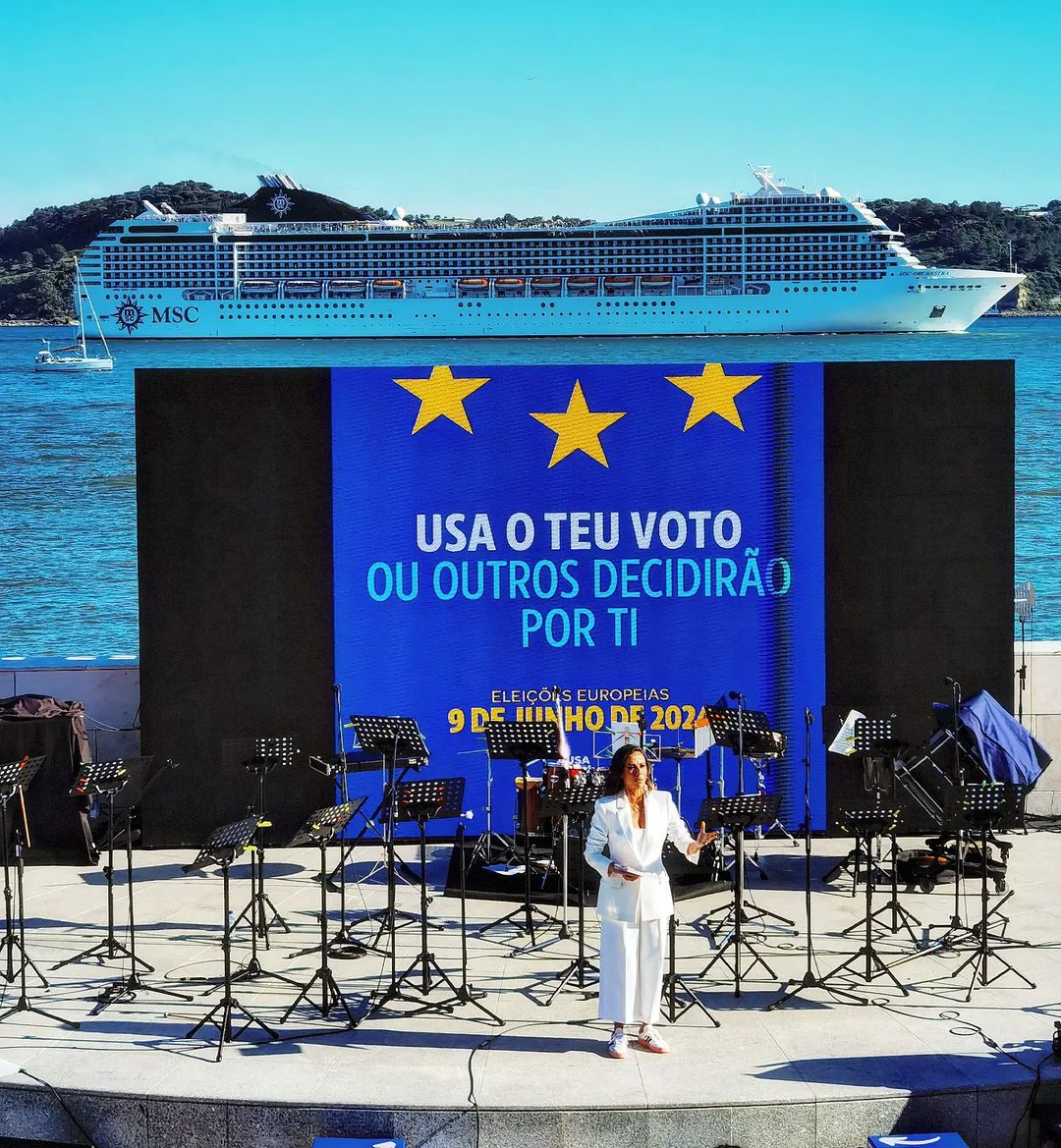
21 for 24: Europe XXI’s European Elections campaign

Europe XXI is launching the “21 for 24” European Elections campaign!
The aim is to reduce abstention and promote voting in the next European elections.

Over the course of six months, from January 1 to June 9, we’re trying to shorten the distance between the EU and its voters. Participation is crucial, because voting is not just a right but an opportunity to shape tomorrow.

Together, we make the choices that will define our future!

Europe XXI present at the 2nd Alumni SummerCEmp Meeting.

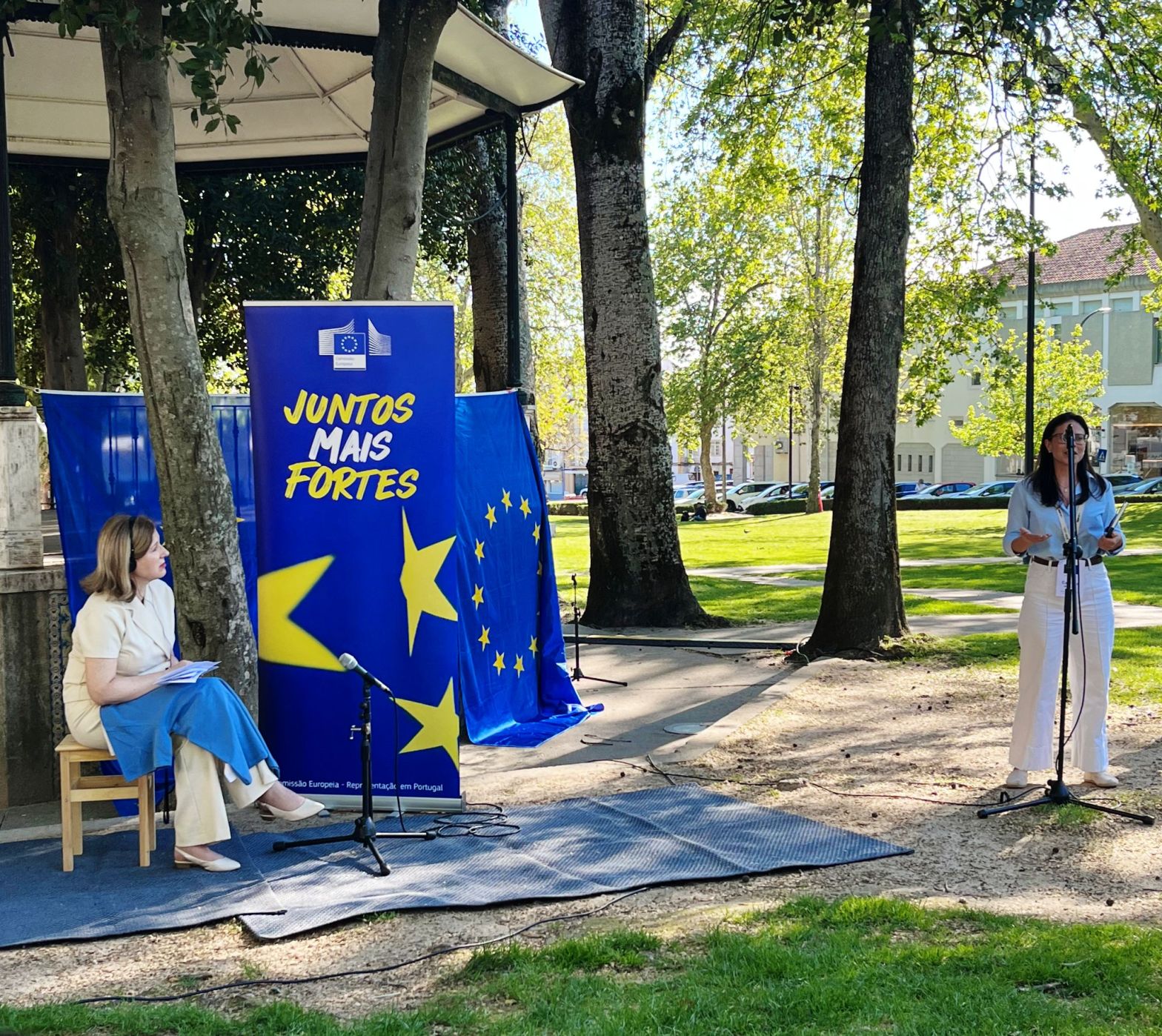
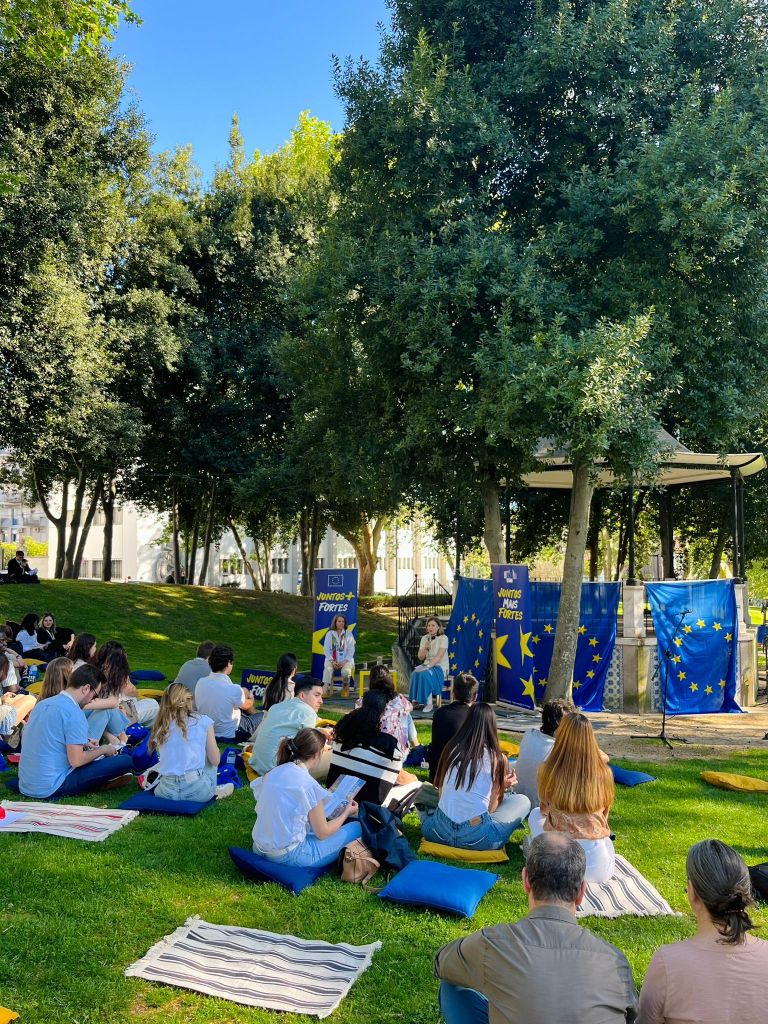
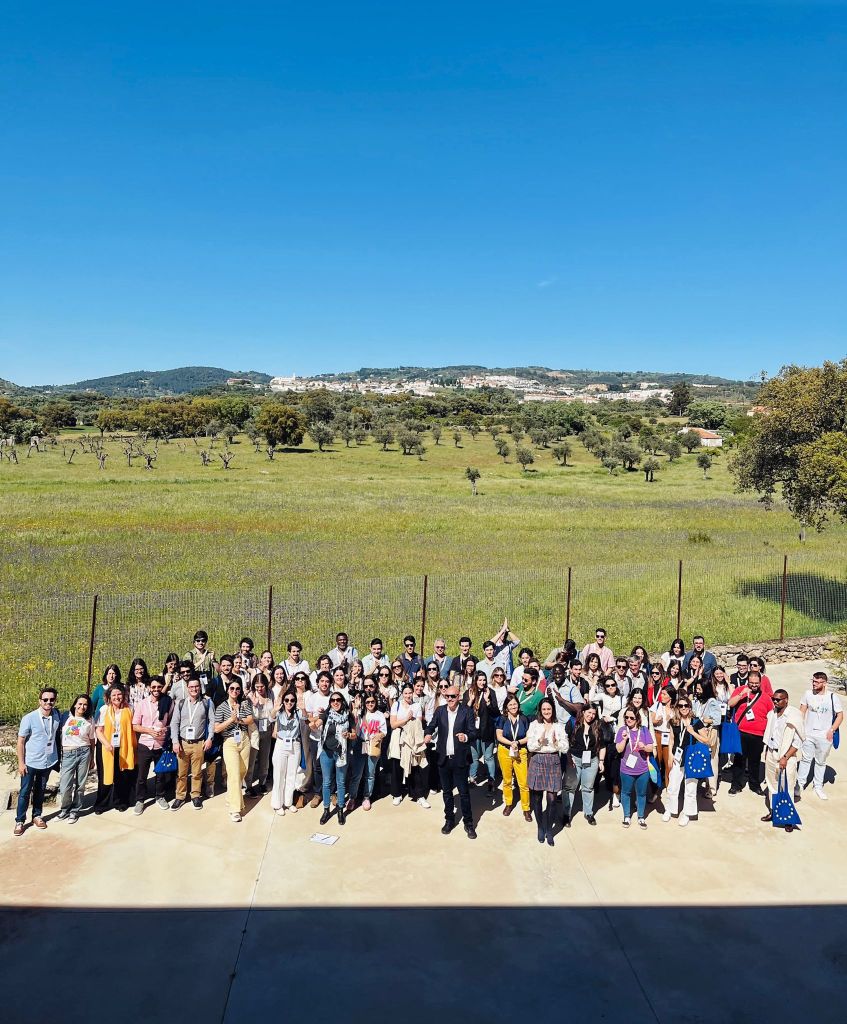
Over the weekend of 12th-13th of April, Portalegre became a vibrant hub of European democracy. EuropeXXI was honored with the invitation from the European Comission in Portugal to present our project directly to the vice president of the European Commission for Values and Transparency Vera Jourova and to the Europe Direct network.

From spirited debates to collaborative brainstorming sessions, we felt the inspiration and shared commitment of this #eugeneration – actively shaping the EU’s democratic future.