
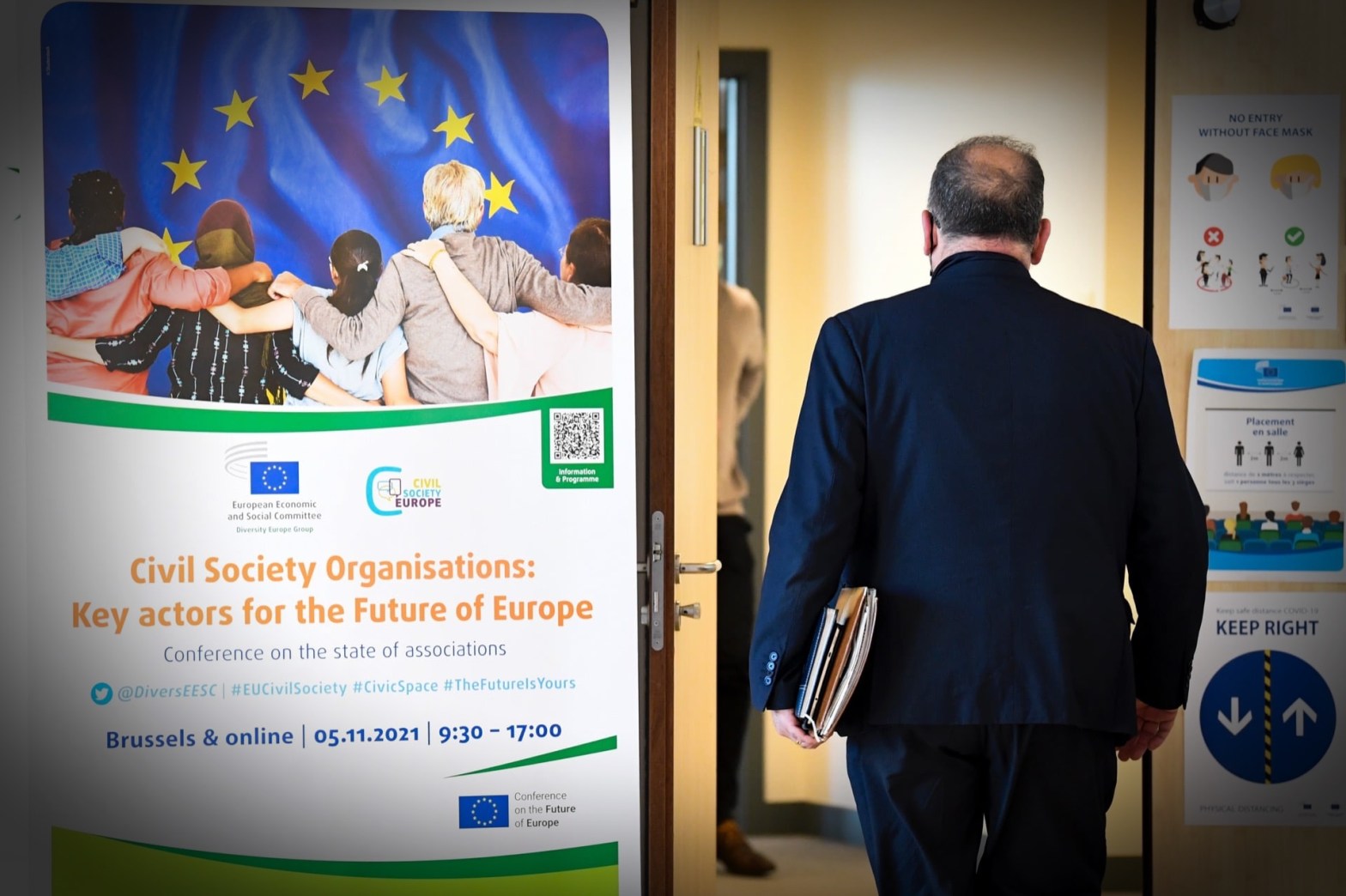
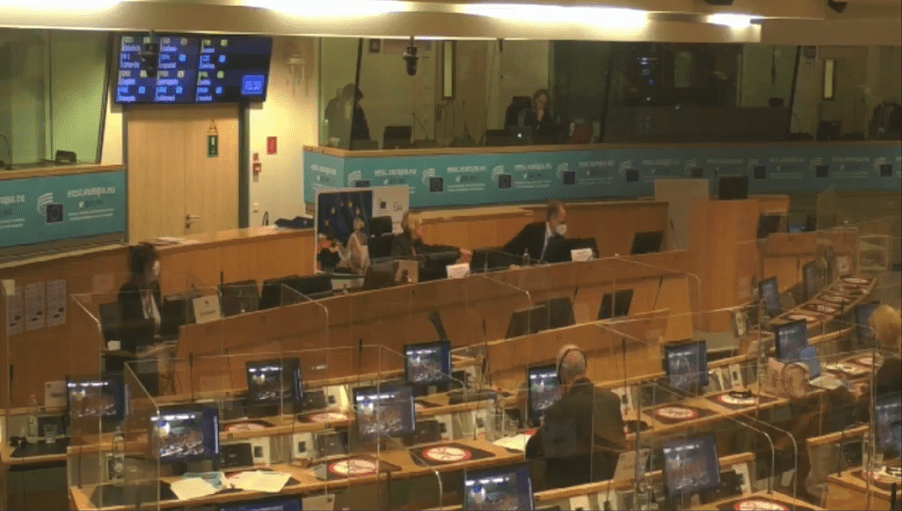
On the 5th of November, EuropeXXI members discussed the state and future of civil society organizations in Europe, in the event Civil Society Organisations: Key Actors for the Future of Europe, organized by European Economic and Social Committee (EESC).
Civil society organizations respond to a wide variety of concerns and perform very important social, cultural, civic, recreational and economic functions. In fact, around one in five Europeans are involved in associative life. Despite this, the social and civic value of this sector is often neglected and called into question. A major concern is that in several countries and governments (some under the pretext of the COVID-19 crisis) are restricting the public and financial freedoms of civil society organizations.
Aiming to draw attention to these developments and to provide a forum for reviewing the state of civil society organizations in Europe, the following topics were addressed:
- The value that organizations create for European democracies;
- The challenges and barriers that organizations face with regard to the protection of fundamental rights and civic space (on the basis of the initial findings of a new EESC study on The implications of the COVID-19 pandemic on fundamental rights and civic space);
- Experiences with civil dialogue at national and European level;
- Other current challenges and responses from civil society in Europe;
- Civil society organizations’s views on the process for the Conference on the Future of Europe and future steps for strengthening organized civil society and democracy.
Lastly, the conclusions and recommendations of this event will be published soon by the EESC and be part of our contribution to the Conference on the Future of Europe.
 Europe XXI